
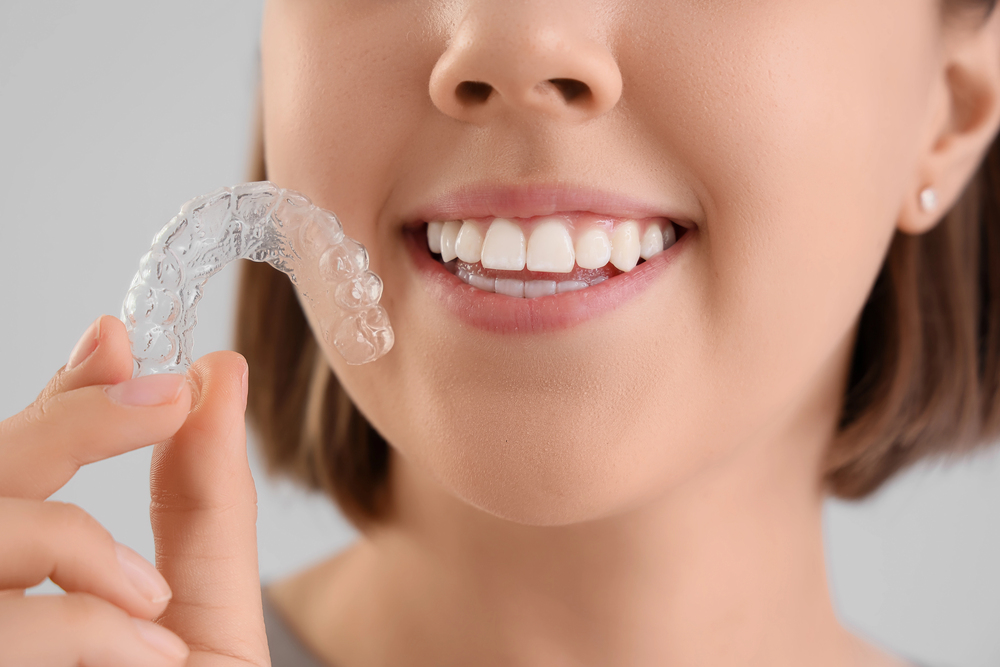
If you’ve been thinking about straightening your teeth, you may be wondering, what can Invisalign® fix? At Southern Dental Family and Pediatric Dentistry, we understand that every smile is unique, and we’re here to help you explore your options. Invisalign® clear aligners can address a variety of dental alignment and bite concerns, often without the brackets and wires associated with traditional braces. Whether you’re dealing with crowded teeth, unwanted gaps, or certain bite problems, our team can help determine whether Invisalign® is right for you. Call us today at 336-998-5437 to schedule a consultation and take the first step toward a smile you’ll love.
What Can Invisalign® Fix? 7 Common Dental Problems
Invisalign® uses a series of custom-made, removable clear aligners to gradually move teeth into their planned positions. While many people associate Invisalign® with cosmetic improvements, properly aligned teeth can also make brushing and flossing easier and support better oral health.
Here are seven common dental concerns that Invisalign® may be able to correct.
1. Crowded or Overlapping Teeth
When there isn’t enough room in your mouth for all your teeth to fit properly, they may overlap, twist, or become crowded. This can make it more difficult to clean between teeth, potentially increasing the risk of plaque buildup and cavities.
Invisalign® for crowded teeth can gradually move teeth into better alignment, creating a more even smile. Depending on the amount of crowding, we may recommend additional treatment planning to ensure there’s enough space for proper tooth movement.
2. Gaps and Spaces Between Teeth
Spaces between teeth can develop naturally due to genetics, differences in tooth size, or missing teeth. While some gaps are primarily cosmetic, others can affect how your teeth fit together.
Invisalign® for gaps in teeth can help close certain spaces by gradually bringing teeth closer together. We evaluate the size and cause of the gaps to determine whether clear aligners are an appropriate solution.
3. Overbite
An overbite occurs when the upper front teeth overlap the lower front teeth vertically. Some overlap is normal, but an excessive overbite can sometimes contribute to uneven tooth wear or other dental concerns.
Invisalign® for overbite correction may help improve the relationship between the upper and lower teeth in suitable cases. The complexity of the bite problem determines whether clear aligners alone can achieve the desired results.
4. Underbite
An underbite occurs when the lower front teeth sit in front of the upper front teeth when the mouth is closed. This can affect chewing, tooth wear, and overall bite function.
Invisalign® for underbite treatment may be effective for certain mild or moderate cases, particularly when the problem involves tooth positioning rather than significant differences in jaw structure. More complex underbites may require additional orthodontic treatment.
5. Crossbite
A crossbite occurs when some upper teeth fit inside the lower teeth instead of outside them when biting down. Depending on the teeth involved, this misalignment may contribute to uneven wear or gum problems.
Invisalign® for crossbite correction can help reposition certain teeth to improve how the upper and lower arches fit together. We carefully evaluate each patient’s bite to determine the most effective treatment approach.
6. Open Bite
An open bite occurs when the upper and lower teeth don’t make contact in certain areas when the mouth is closed. For example, the front teeth may remain separated even when the back teeth touch.
Invisalign® for open bite treatment can help close some of these spaces by moving teeth into better positions. However, treatment success depends on the cause and severity of the open bite, including whether jaw structure or oral habits are contributing factors.
7. Crooked or Misaligned Teeth
Teeth that are rotated, tilted, or unevenly positioned can affect both your smile’s appearance and your ability to clean certain areas effectively.
Invisalign® for crooked teeth offers a discreet way to address many mild to moderate alignment concerns. With a customized treatment plan, we can gradually guide teeth toward their intended positions while helping you maintain your everyday routine.
Can You Get Invisalign® With Missing Teeth, Implants, or Bridges?
Many patients wonder whether existing dental concerns or restorations will prevent them from getting Invisalign®. The answer depends on their individual circumstances.
- Missing Teeth: Invisalign® may still be an option if you’re missing one or more teeth. In some cases, aligners can help create or preserve space for future dental restorations.
- Dental Implants: Because implants are anchored into the jawbone, they cannot be moved with Invisalign®. However, we may be able to reposition surrounding natural teeth as part of a carefully planned treatment.
- Dental Bridges: Bridges connect replacement teeth to neighboring teeth or implants, which can limit certain orthodontic movements. We evaluate existing bridges before recommending treatment.
At Southern Dental Family and Pediatric Dentistry, we consider your overall dental health, existing restorations, and smile goals before recommending Invisalign®.
What Dental Problems Might Invisalign® Not Be Able to Fix?
Although Invisalign® is a versatile orthodontic treatment, it isn’t the best solution for every situation. Certain dental problems may require traditional braces, additional procedures, or a different treatment approach.
Some examples include:
- Severe Bite Misalignment: Significant overbites, underbites, or other complex bite problems may require treatments beyond clear aligners.
- Major Jaw Alignment Problems: When the upper and lower jaws are significantly misaligned, moving teeth alone may not fully correct the problem.
- Complex Tooth Movements: Certain rotations, vertical movements, or severely displaced teeth may be more challenging to correct with aligners.
- Untreated Oral Health Problems: Active gum disease, cavities, or other dental conditions may need attention before orthodontic treatment begins.
We believe in helping our patients understand their options so they can make informed decisions about their dental care.
How Do We Determine if Invisalign® Is Right for You?
The best way to find out whether Invisalign® can address your dental concerns is through a personalized consultation. We take time to evaluate your smile, discuss your goals, and recommend treatment options based on your individual needs.
During your consultation, we may:
- Examine Your Teeth and Gums: We assess your oral health and identify any concerns that should be addressed before treatment.
- Evaluate Your Bite: We look at how your upper and lower teeth fit together and determine which movements may be necessary.
- Take Digital Scans or Images: When appropriate, we use diagnostic imaging to help evaluate your teeth and plan treatment.
- Discuss Your Smile Goals: We listen to what you’d like to improve and explain whether Invisalign® is a suitable option.
- Review Your Treatment Options: We discuss potential treatment steps, estimated timelines, and what you can expect throughout the process.
Because every smile is different, Invisalign® treatment times and results vary. Our goal is to help you choose an approach that supports both your smile’s appearance and long-term oral health.
Why Choose Southern Dental Family and Pediatric Dentistry for Invisalign®?
At Southern Dental Family and Pediatric Dentistry, we believe that achieving a straighter smile should begin with personalized attention and a clear understanding of your treatment options.
We take a patient-centered approach to dental care, focusing on your individual concerns, comfort, and long-term oral health. Whether you’re interested in correcting crowded teeth, closing gaps, or improving your bite, we’re here to help you explore what Invisalign® may be able to accomplish.
When you choose our team, you can expect:
- Personalized Attention: We take time to understand your dental needs and smile goals.
- Comprehensive Dental Care: We consider your overall oral health when evaluating orthodontic treatment options.
- Clear Communication: We explain our recommendations and answer your questions so you know what to expect.
- A Comfortable, Welcoming Environment: We strive to make every dental visit a positive experience.
- A Focus on Lasting Results: We emphasize healthy dental habits and proper retainer use to help maintain your smile after treatment.
We’re committed to helping our patients feel confident about their dental care decisions every step of the way.
Discover What Invisalign® Can Fix for Your Smile
So, what can Invisalign® fix? From crowded and crooked teeth to unwanted gaps and certain bite problems, Invisalign® can address a wide range of orthodontic concerns. However, the best way to know whether clear aligners are right for you is to have your teeth and bite professionally evaluated.
At Southern Dental Family and Pediatric Dentistry, we’re ready to help you explore your options and take the next step toward a straighter, healthier smile. Call us today at 336-998-5437 to schedule your Invisalign® consultation and discover what personalized treatment could do for you.
Follow us on Facebook and Instagram for more dental tips, smile inspiration, and updates from our team!